

Cannabis Use for Parents, Pregnant and Breastfeeding Women
Cannabis Use for Parents, Pregnant and Breastfeeding Women
Pregnancy | Breastfeeding | Connect with Healthcare Providers | Support Available | Parenting
There is no safe amount of cannabis to use during pregnancy or breastfeeding. Using cannabis or being around cannabis smoke can harm the baby’s growth and development.
Cannabis and Pregnancy and Breastfeeding: What You Need to Know
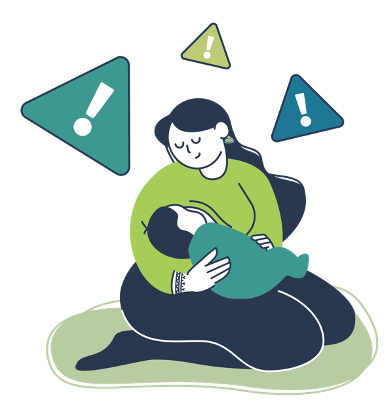
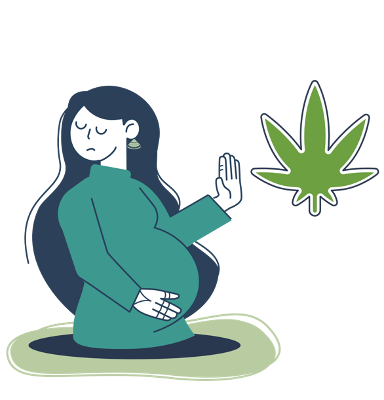
Using cannabis while pregnant or breastfeeding can harm both you and your baby.
Passing THC to Your Baby: The chemicals in cannabis can pass to your baby through the placenta or breast milk. This could change how your baby grows and develops.
How cannabis affects your baby:
- Impact on Baby's Brain: Using cannabis can hurt your baby's growing brain. It could lead to problems with attention, memory, and behaviour when they grow up.
- Early Birth: Using cannabis during pregnancy can cause your baby to be born too small or too early.
- Development: Babies exposed to cannabis are more likely to be hyperactive, have trouble controlling their behavior, and have sleep problems later in life.
- Second-hand Smoke: Smoke from cannabis or tobacco is dangerous for babies. Both have many chemicals that cause breathing problems.
The safest choice is to avoid cannabis to protect your baby’s health.
If you choose to use cannabis while pregnant or breastfeeding, try to use as little as possible, less often, and choose products with low THC and CBD levels.
For more information, click on the link below.
Reducing the Risk
The best thing you can do is stay cannabis-free during pregnancy and breastfeeding. You can also reduce the risks of cannabis:
- Get support for your mental health. Talk to a trusted Elder, family member, or friend.
- If you choose to use cannabis, use it less often and in smaller amounts. Pick cannabis products with less THC and more CBD.
- Consume cannabis outside of your house and car, away from your baby, and change your clothes before holding or breastfeeding your baby.
- Don’t sleep in the same bed with your baby if you use cannabis, as it can make you less alert.
Be a Supportive Partner or Family Member
Partners, family, and friends can help protect pregnant women and babies from the risks of cannabis.
Choose to do fun and healthy activities together, like spending time on the land, making a healthy meal with country foods, or making crafts or sewing.
- Keep your home smoke-free. No amount of second-hand smoke from cannabis or tobacco is safe.
- Do not use cannabis with them or around them.
Connect with Healthcare Providers
Healthcare providers can give you important information about the risks of using cannabis during pregnancy and breastfeeding. They can also suggest options to manage pregnancy and post-partum symptoms, like nausea, throwing up, or pain.
Seeing a healthcare provider regularly can help keep you and your baby healthy.
Support Available
If you or someone you know is using cannabis or other drugs during pregnancy or while breastfeeding, it is never too late to get help.
Free, confidential mental health support is available at every health centre. If you want to reduce or quit cannabis, call the Nunavut Quitline at 1-866-368-7848 or message a Quit Coach on the Live Chat.
Parenting and Cannabis: Protecting Children from Cannabis Risks

As a parent, it’s important to understand the risks of cannabis and keep your children safe. Here are some recommendations to reduce risks:
- Be a good role model: Kids learn from what they see. Making smart choices about cannabis can help them do the same.
- Don’t use cannabis around children: Second-hand smoke is harmful, just like tobacco smoke.
- Talk openly with your children: Explain the risks of cannabis and answer their questions honestly. Giving them the right information helps them make good choices in the future.
To learn more, visit Talking with youth about cannabis.