
Youth and Cannabis
Youth and Cannabis
Cannabis Risks for Children and Teens | Talking with Youth About Cannabis | Parenting and Caregiver Resources
Cannabis Risks for Children and Teens
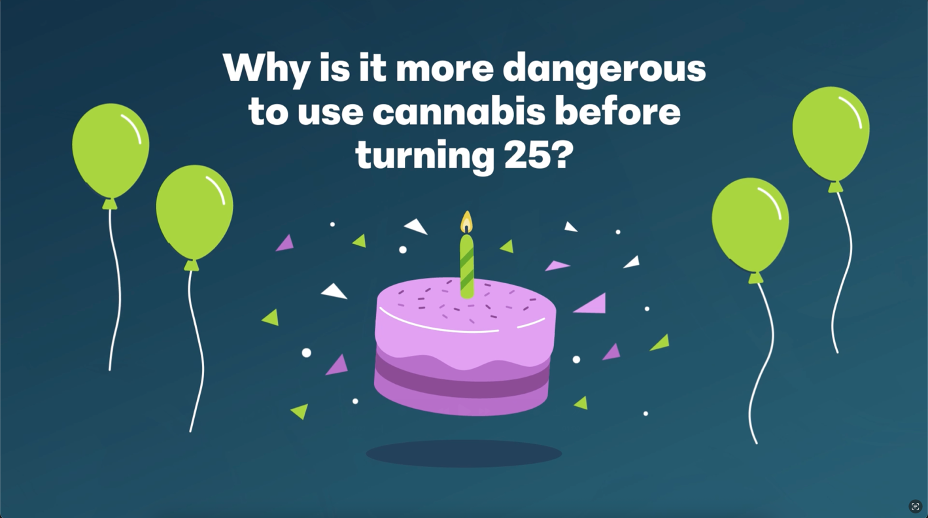
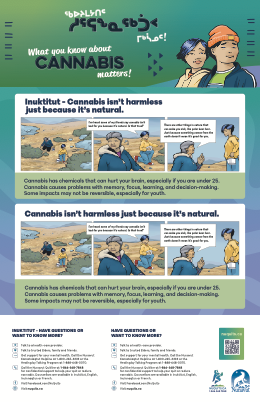
Did you know that your brain keeps developing until age 25? The earlier you start using cannabis, the greater the chance it will impact how your brain develops. Some impacts can be permanent.
Learning about cannabis risks and effects can help you be prepared to make informed decisions about cannabis use.
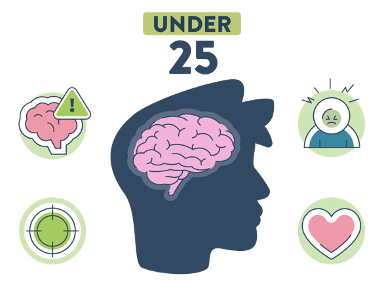
Cannabis affects:
- Memory: Cannabis can change parts of your brain that help you think and remember things.
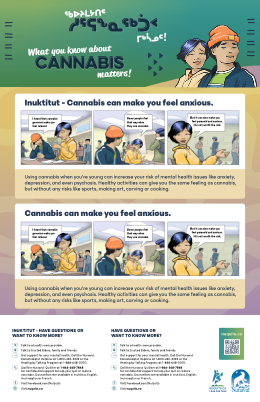
- Mental Health: Cannabis can worsen anxiety and depression. It can also trigger psychosis (seeing or hearing things that aren’t real).
- Learning and Focus: Cannabis can make it harder to learn, focus and concentrate. This can make school more difficult.

- Emotions: Cannabis changes how you handle your feelings.

The best way to avoid health risks of cannabis use is not to use it. The later you start, the lower the risks to your health.
Learn about how you can reduce your risks of cannabis.
Talking with Youth About Cannabis
Talking with youth about cannabis can be challenging, and there’s no perfect age to start the conversation.
Tips for parents and caregivers:
- Create a Safe Space: Be calm, patient, and non-judgmental. Talk somewhere private and comfortable.
- Use Youth-Friendly Language: Skip the scary warnings. Speak in a way that invites them in, not pushes them away.
- Ask Questions: “What have you heard about cannabis?” and “What do you think about it?”
- Listen More than You Talk: Let them lead. Be curious. Reflect back what you have heard.
- Be Honest and Open: Say why you’re having this talk. Be respectful and supportive.
- Be a Trusted Adult: Be respectful, honest, and open to hearing different views.
- Encourage Critical Thinking: Ask questions like “What do you think could happen if…?”
- Stay Connected: Let them know you are there to support them.
To read the complete guide, click on the link below.
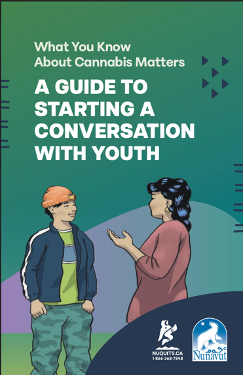
Parenting and Caregiver Resources